

10242 Greenhouse Rd #1002 Cypress, TX 77433
MPNS for Post-Surgical Recovery: Helping Houstonians Get Back to Their Active Lives after Major Surgeries
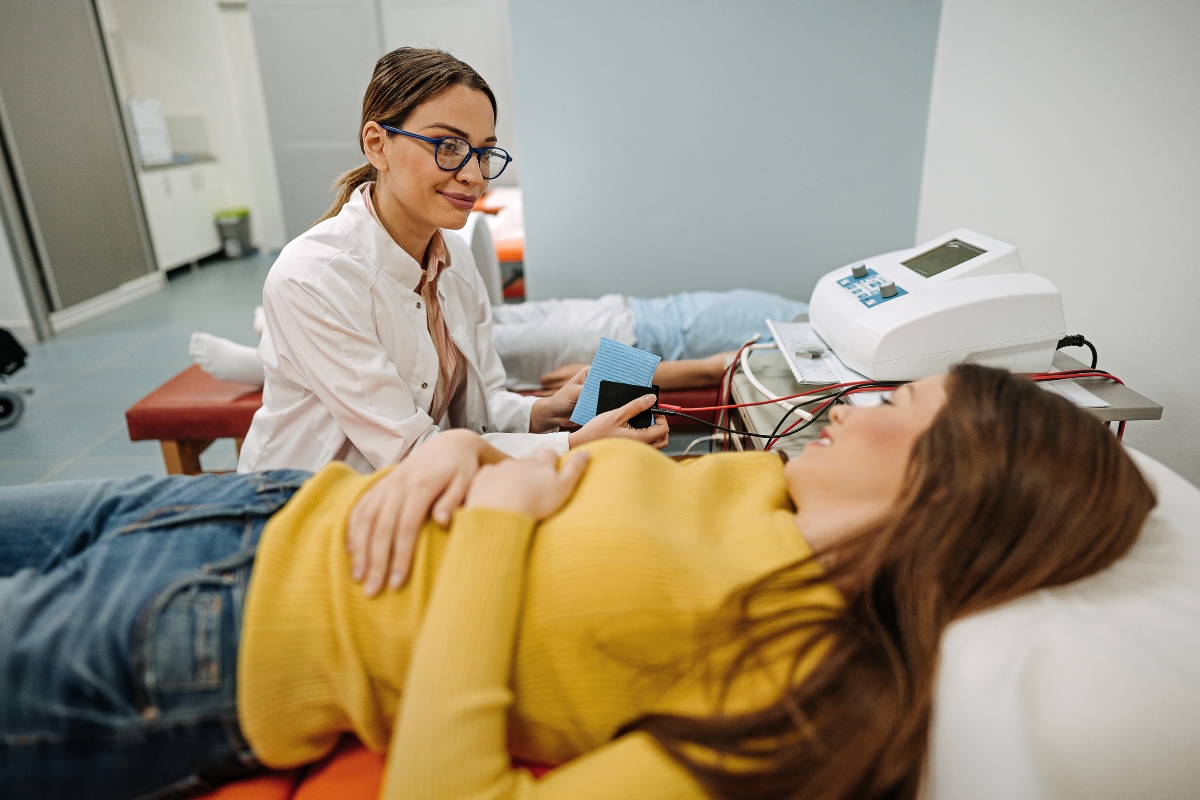
Major surgery changes your routine overnight. Even simple tasks can feel difficult. Pain lingers. Muscles feel weak. Movement becomes slow and uncertain. Along with the physical strain, emotional fatigue often sets in as recovery stretches on longer than expected. Many people assume rest alone will restore strength, but healing usually needs guided support.
Limited mobility can delay work, family responsibilities, and daily independence. This is especially challenging for people in Houston who balance busy schedules, traffic, and an active lifestyle. Recovery should help you move forward, not hold you back.
This is where advanced recovery support can make a difference. At Redefined Mind, post-surgical care focuses on restoring function safely and steadily. This blog explains why recovery feels overwhelming, how modern nerve-based therapies help, and when additional support may be the right next step.
Why Post-Surgical Recovery Can Feel So Overwhelming
Recovery challenges often go beyond the surgical site. Inflammation and pain can limit movement, making daily activities uncomfortable. Muscles weaken quickly when they are not used, and nerve signals may not fire efficiently after surgery. This combination slows progress and creates stiffness that feels discouraging.
Fatigue is another common hurdle. The body spends energy healing tissues, which leaves less strength for movement and focus. Even walking short distances can feel exhausting. Many patients worry that slow progress means something is wrong, when in reality the body needs structured reactivation.
Mental frustration also plays a role. Repeating the same movements without improvement can lower motivation. Missed milestones can create anxiety. Without guided recovery, people often push too hard or avoid movement altogether. Both are slow-healing. A supportive approach helps address physical strain and mental confidence together.
What Is MPNS and How Does It Support Recovery?
MPNS is a therapy designed to stimulate peripheral nerves that control movement and muscle activation. Instead of forcing the body through painful motion, it encourages natural nerve communication. This helps muscles respond more effectively during recovery.
Unlike invasive treatments, MPNS works externally. It supports healing without disrupting surgical repairs. For post-surgical patients, Magnetic Peripheral Nerve Stimulation in Houston helps restore coordination between nerves and muscles that may be underperforming.
This approach fits well alongside medical follow-ups and physical therapy. It does not replace existing care plans. Instead, it enhances them by helping the nervous system respond more clearly. Patients often feel more connected to their movements, which builds confidence and supports steady progress without excessive strain.
How MPNS Helps the Body Heal After Major Surgery
After surgery, muscles often hesitate to engage. This delay slows strength recovery. MPNS encourages muscle reactivation by improving how nerves send signals. When muscles respond more consistently, movement becomes smoother and less guarded.
Better nerve communication also reduces compensatory strain. Instead of relying on surrounding muscles, the body begins using the correct ones again. This can ease discomfort during walking, standing, or light activity.
Another benefit is confidence. When movements feel controlled rather than unstable, people are more willing to stay active. This supports circulation, flexibility, and long-term recovery. Over time, patients notice improved coordination and reduced hesitation during daily tasks. Healing becomes a guided process instead of a guessing game.
Surgeries Where MPNS Is Commonly Used for Recovery
MPNS is often used after orthopedic procedures such as joint replacements or spinal surgeries. These operations affect both muscles and nerves, making coordinated recovery essential.
It is also helpful after surgeries involving nerve pathways, where communication between the brain and muscles needs support. Soft tissue and musculoskeletal procedures may benefit as well, especially when movement remains limited weeks after surgery.
Recovery is never one-size-fits-all. Each surgical procedure impacts the body differently. That is why individualized planning matters. At Redefined Mind, recovery strategies focus on the patient’s procedure, goals, and daily demands, rather than a generic timeline.
What Post-Surgical Patients Can Expect During MPNS Sessions
Each recovery journey begins with an evaluation. This helps define movement goals and identify areas that need support. Sessions are structured, calm, and focused on progress rather than discomfort.
Most patients describe the sensation as noticeable but manageable. There is no downtime afterward. Sessions are typically scheduled over several weeks, depending on recovery needs.
Progress is monitored regularly. Adjustments are made as strength, coordination, and confidence improve. This structured approach helps patients avoid plateaus and unnecessary setbacks. The goal is steady improvement that supports daily life, not rushed recovery.
Supporting an Active Lifestyle During Recovery in Houston
Houston’s lifestyle requires movement. Whether it is commuting, family commitments, or staying active despite the heat, recovery must fit real life. Gradual walking and light activity help maintain momentum without overloading healing tissues.
Managing recovery in Houston’s climate also matters. Heat and humidity can increase fatigue. Structured care helps patients stay consistent while respecting their limits.
Balancing recovery with work and family takes planning. Clear guidance prevents overexertion and missed progress. Following provider recommendations ensures recovery stays on track while supporting independence and confidence.
MPNS as Part of a Personalized Recovery Plan
Every recovery timeline is different. Age, surgery type, and activity level all matter. That is why personalized planning is essential. MPNS integrates well with physical therapy and medical care, creating a coordinated approach.
Setting realistic milestones helps reduce frustration. Small improvements lead to long-term functional gains. With the right support, patients regain strength safely and steadily.
Magnetic Peripheral Nerve Stimulation in Houston works best when used as part of a broader plan that focuses on function, not just symptom relief. The goal is lasting mobility and confidence.
When to Consider MPNS After Surgery
Some signs suggest recovery needs additional support. Persistent pain, slow strength return, or coordination difficulties may indicate nerve involvement. Limited progress after standard rehabilitation is another signal.
Early intervention matters. Addressing these challenges sooner can prevent long-term limitations. Guided recovery helps patients move forward without unnecessary strain.
If daily activities still feel difficult weeks after surgery, it may be time to explore supportive options. Structured care can help bridge the gap between healing and full function.
Recovery should feel progressive, not uncertain. With the right support, healing becomes manageable and empowering. MPNS helps restore movement by improving how nerves and muscles work together.
For Houstonians balancing busy lives, guided recovery matters. It supports mobility, confidence, and independence without disrupting existing care. At Redefined Mind, recovery focuses on helping patients return to daily life safely and steadily.
If surgery has slowed your progress, support is available. A personalized recovery plan can help you move forward with clarity and confidence. Schedule a consultation today with us and take the next step toward getting back to the life you enjoy.
What People Want to Ask about
Can MPNS help prevent future movement issues?
Restoring proper muscle activation, it may reduce compensatory strain.
Is MPNS a long-term commitment?
Treatment length depends on progress and recovery goals, not fixed timelines.
Does MPNS help with long-term recovery goals?
It focuses on restoring function, not just short-term relief.
Can MPNS be combined with other treatments?
Yes. It commonly works alongside medical follow-ups and rehabilitation care.
Is MPNS suitable for active individuals?
It is often used to help active people return to movement safely and gradually.
We're here to listen, answer your questions, and provide the support you need.
Give us a call or Contact us through the form to discover how we can tailor our expertise to your unique needs.