

10242 Greenhouse Rd #1002 Cypress, TX 77433
What Is TMS Magnetic Treatment in Cypress and How Does It Work?
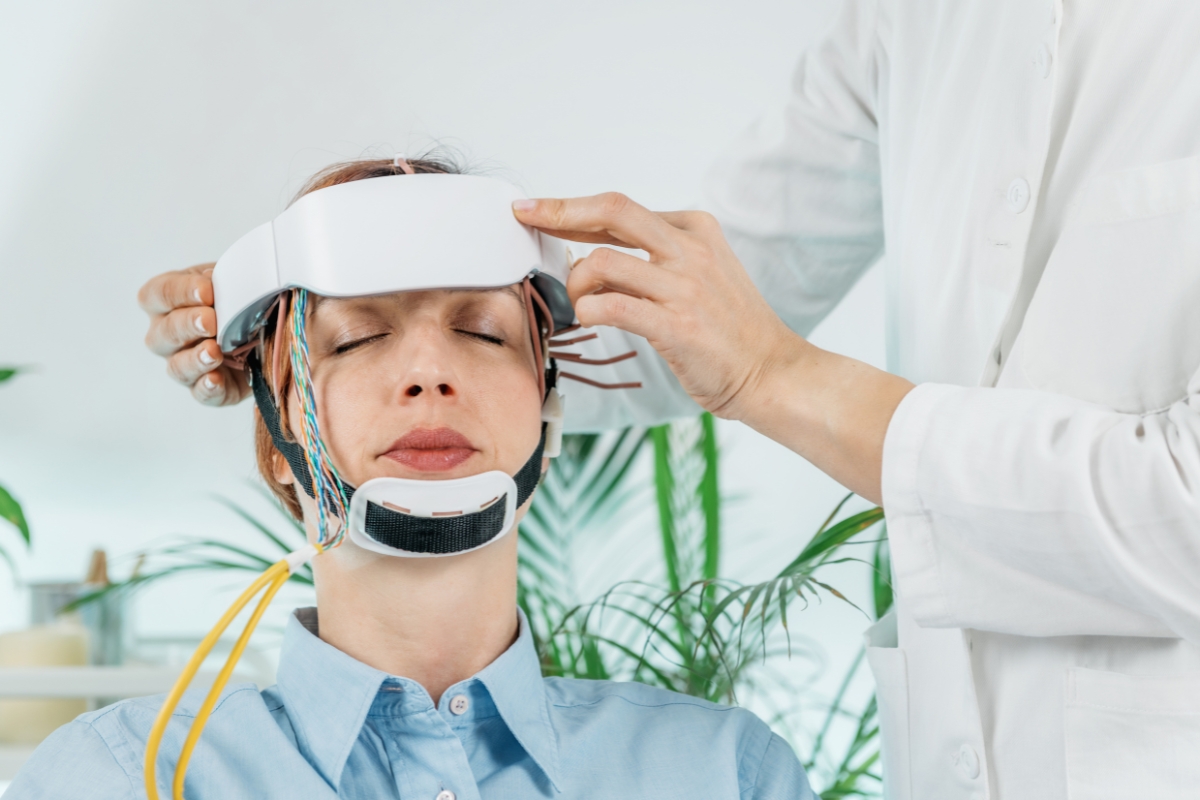
Mental health conditions such as depression and anxiety can affect sleep, concentration, relationships, work, and overall quality of life. When traditional approaches do not provide enough relief, some patients and providers may consider non-invasive brain stimulation therapies such as transcranial magnetic stimulation (TMS).
TMS Magnetic Treatment Cypress is a local treatment option that uses magnetic pulses to influence activity in specific areas of the brain. At Redefined Mind in Cypress, Texas, MeRT (Magnetic e-Resonance Therapy) combines diagnostic brain mapping with customized repetitive transcranial magnetic stimulation (rTMS) to develop an individualized treatment approach.
Understanding how TMS works, what a treatment session involves, and who may benefit can help you make a more informed decision about your mental health care.
What is TMS Magnetic Treatment?
Transcranial magnetic stimulation is a non-invasive brain stimulation technique that uses an electromagnetic coil to deliver repeated magnetic pulses. These pulses can create weak electrical currents in targeted areas of the brain, influencing the activity of neurons and neural circuits. The treatment does not require surgery or general anesthesia.
TMS has been studied extensively for depression and is an established treatment option for certain patients, particularly those who have not experienced sufficient improvement with other treatments. The National Institute of Mental Health notes that rTMS is FDA-cleared for several conditions, including treatment-resistant depression and obsessive-compulsive disorder.
Unlike electroconvulsive therapy (ECT), TMS does not intentionally induce a seizure and does not require general anesthesia. This makes it an appealing option for some patients who are looking for a non-invasive approach.
How Does TMS Work in the Brain?
The brain contains interconnected networks responsible for mood, attention, memory, emotional regulation, and other functions. When certain neural circuits become dysregulated, they may contribute to symptoms associated with conditions such as depression.
During TMS, a specialized coil is positioned near the patient’s head. The device generates rapidly changing magnetic fields that pass through the skull and induce small electrical currents in targeted brain tissue. These pulses can influence the activity of neurons and neural circuits.
Treatment protocols can vary depending on the condition being treated, the patient’s medical history, and the specific TMS system or approach being used. A qualified provider determines the appropriate treatment parameters after evaluating the patient.
How Does TMS Magnetic Treatment Cypress Differ With a Personalized Approach?
For patients interested in TMS Magnetic Treatment Cypress, Redefined Mind offers MeRT, a customized approach that combines qEEG brain mapping with targeted rTMS. The practice explains that qEEG testing is used to evaluate brainwave activity and help guide an individualized treatment protocol.
Rather than assuming that the same stimulation settings are appropriate for every person, the MeRT approach uses information from the patient’s assessment to help determine the treatment strategy. Redefined Mind describes MeRT as a non-invasive and drug-free treatment that may be used for conditions including depression, anxiety, PTSD, traumatic brain injury, concussion, autism, and brain optimization.
It is important to understand that individual results can vary and that a personalized treatment approach does not guarantee a particular outcome.
What Happens During a TMS Treatment Session?
A TMS appointment generally begins with the patient sitting comfortably while the treatment device is positioned near the head. The clinician determines the appropriate location and stimulation parameters based on the treatment protocol.
The TMS device then delivers magnetic pulses to the targeted area. Patients may hear clicking sounds or feel tapping sensations on the scalp as the magnetic pulses are delivered. Because TMS is non-invasive, patients generally remain awake during treatment and can return to their normal activities afterward, depending on their individual circumstances and provider recommendations.
At Redefined Mind, the treatment process for MeRT begins with assessment and individualized planning. The practice states that patients may have an initial consultation, followed by testing and a series of appointments designed around their specific needs.
The exact duration and number of sessions can vary. A provider should explain the expected schedule before treatment begins.
What Conditions Can TMS Help Treat?
TMS is best known for its role in treating depression, particularly when standard treatments have not provided adequate relief. According to the National Institute of Mental Health, rTMS is an established brain stimulation therapy for certain mental health conditions.
At Redefined Mind, MeRT is offered as a customized TMS-based treatment for several conditions. The practice lists depression, anxiety, PTSD, traumatic brain injury and concussion, autism, and brain optimization among the areas it addresses.
However, the evidence and regulatory status can differ depending on the condition. Patients should discuss their specific diagnosis and treatment goals with a qualified healthcare professional rather than assuming that TMS is appropriate for every condition.
What Are the Potential Benefits of TMS?
One of the primary advantages of TMS is that it is non-invasive. It uses magnetic stimulation rather than surgery to influence targeted brain activity. It also does not require general anesthesia, which allows patients to remain awake during treatment.
For appropriate patients, potential advantages may include:
- A non-invasive treatment approach
- No surgical procedure
- No general anesthesia
- Targeted stimulation of specific brain regions
- The ability to remain awake during treatment
- Potential improvement in depressive symptoms for appropriate patients
Redefined Mind also reports improvements in areas such as mood, concentration, sleep, motivation, and emotional stability among patients receiving MeRT, while emphasizing that individual results vary.
TMS should be viewed as one component of a comprehensive treatment plan when clinically appropriate.
Is TMS Magnetic Treatment Safe?
TMS is generally considered a non-invasive treatment, but like any medical therapy, it can have potential side effects and risks. The National Institute of Mental Health identifies headaches and scalp discomfort among possible side effects associated with rTMS.
Before treatment, a provider should review your medical history, medications, previous treatments, and any factors that could affect your suitability for TMS. Patients should also discuss any implanted medical devices or other relevant medical conditions with their healthcare provider.
A professional evaluation is essential because not every person with depression, anxiety, or another neurological or psychiatric condition will be an appropriate candidate for TMS.
Learn More From the National Institute of Mental Health
If you are considering TMS, learning from reliable medical and government sources can help you understand the therapy before scheduling an appointment.
The National Institute of Mental Health provides information about rTMS, including how magnetic stimulation works, why it is used, and potential side effects.
Patients should combine information from reputable sources with advice from a qualified healthcare professional who can evaluate their individual needs.
Is TMS Right for You?
Whether TMS is appropriate depends on several factors, including your diagnosis, symptoms, treatment history, medical history, and treatment goals. If you haven’t responded well to conventional treatments, you may benefit from discussing brain stimulation options with a qualified provider.
At Redefined Mind, the treatment process is designed around individual assessment and personalized care. The practice provides MeRT at its Cypress location and offers consultations for people interested in learning whether the treatment may be appropriate for their needs.
If you are exploring TMS Magnetic Treatment Cypress, start with a professional consultation rather than choosing a treatment based solely on online information. A qualified provider can explain the available options, expected benefits, potential risks, and whether a customized TMS approach may fit your treatment plan.
Take the Next Step Toward Personalized Mental Health Care
Finding the right mental health treatment can take time, particularly when previous approaches have not provided the desired results. TMS offers a non-invasive form of brain stimulation that has an established role in treating certain conditions, including treatment-resistant depression.
Redefined Mind combines TMS technology with individualized assessment through its MeRT approach. If you are in Cypress or the surrounding Greater Houston area and want to learn more about personalized magnetic brain stimulation, consider scheduling a consultation to discuss your symptoms, treatment history, and goals.
FAQs About TMS Magnetic Treatment in Cypress
1. What is TMS magnetic treatment?
TMS magnetic treatment uses electromagnetic pulses to stimulate specific areas of the brain. Repetitive TMS (rTMS) is a non-invasive brain stimulation therapy that can influence neural activity and is used for certain mental health conditions, including depression.
2. Is TMS magnetic treatment painful?
TMS does not involve surgery or general anesthesia. Some patients may experience tapping or clicking sensations during treatment, and headache or scalp discomfort can occur as potential side effects.
3. How does MeRT differ from standard TMS?
MeRT is a customized TMS-based approach offered by Redefined Mind. The practice describes using qEEG brain mapping to evaluate brainwave activity and guide individualized stimulation parameters rather than relying solely on a standardized protocol.
4. How many TMS sessions will I need?
The number and frequency of sessions can vary depending on the treatment approach, condition, individual response, and provider recommendations. Your provider can establish an appropriate treatment schedule after evaluating your needs.
5. Who should consider TMS magnetic treatment in Cypress?
TMS may be considered for appropriate patients with certain mental health conditions, particularly when conventional treatments have not provided sufficient improvement. A qualified healthcare professional should evaluate your symptoms, medical history, and treatment goals to determine whether TMS is suitable for you.


We're here to listen, answer your questions, and provide the support you need.
Give us a call or Contact us through the form to discover how we can tailor our expertise to your unique needs.