

10242 Greenhouse Rd #1002 Cypress, TX 77433
Does Chronic Pain Cause Depression, or Is It the Other Way Around? The Redefined Mind Perspective

Living with chronic pain can feel like an endless cycle, where each day presents new challenges. Whether it’s aching joints, migraines, or the aftereffects of an injury, the physical toll chronic pain takes on the body is undeniable. But what happens when that pain doesn’t just affect your body—it begins to affect your mental health? In many cases, it can feel like a never-ending battle between your physical and emotional well-being. But what is the true relationship between chronic pain and depression? Does one cause the other, or are they simply intertwined?
At Redefined Mind, we understand how difficult it can be to navigate both chronic pain and the emotional weight it carries. Our team is committed to helping those who are struggling with both conditions. In this post, we will explore how chronic pain and depression are linked and how treatments like MeRT (Magnetic e-Resonance Therapy) are offering new hope to those caught in the cycle.
The Vicious Cycle: Chronic Pain and Depression
When it comes to chronic pain, it’s easy to see why depression often follows. Chronic pain is more than just physical discomfort; it affects every aspect of your life. It can rob you of sleep, make it difficult to work, and strain your personal relationships. Over time, the constant battle with pain can begin to weigh heavily on your mental health, leading to feelings of sadness, frustration, and hopelessness. This is where depression can step in.
Chronic pain and depression are often two sides of the same coin. One feeds the other, creating a cycle that seems impossible to break. Pain leads to emotional distress, and emotional distress can make the experience of pain feel even worse. But is it always the case that pain causes depression? Or can depression contribute to chronic pain as well?
Depression Leading to Chronic Pain
Interestingly, depression can also trigger physical symptoms. People with depression often experience muscle tension, fatigue, headaches, and even digestive problems—some of the same symptoms associated with chronic pain. This means that, in some cases, depression may make a person more susceptible to the experience of pain or exacerbate existing pain. Depression may lower the threshold for pain, making it feel more intense than it actually is.
For many, this relationship is a vicious circle: depression amplifies the perception of pain, while chronic pain deepens the feelings of sadness and hopelessness. Understanding this complex interaction between the mind and body is essential for creating effective treatments.
The Redefined Mind Approach: Breaking the Cycle
At Redefined Mind, we believe that addressing both the physical and emotional aspects of chronic pain is key to overcoming this cycle. That’s why we offer specialized depression treatment that is designed to treat not just the symptoms of depression, but also the underlying causes, including chronic pain. Our approach is rooted in understanding that mental and physical health are deeply connected.
One of the most promising treatments we offer is MeRT (Magnetic e-Resonance Therapy). MeRT is a cutting-edge, non-invasive treatment that uses magnetic stimulation to target specific areas of the brain, improving brain function and offering relief from both depression and chronic pain. Unlike traditional treatments, which often rely on medications that mask symptoms, MeRT stimulates the brain to heal itself, providing long-lasting relief.
By stimulating areas of the brain responsible for regulating mood and pain perception, MeRT helps to reset the brain’s response to pain and emotional stress, reducing both the physical and emotional impacts of chronic pain. This makes it an excellent option for patients struggling with both depression and chronic pain, offering a more holistic approach to healing.
How MeRT Works
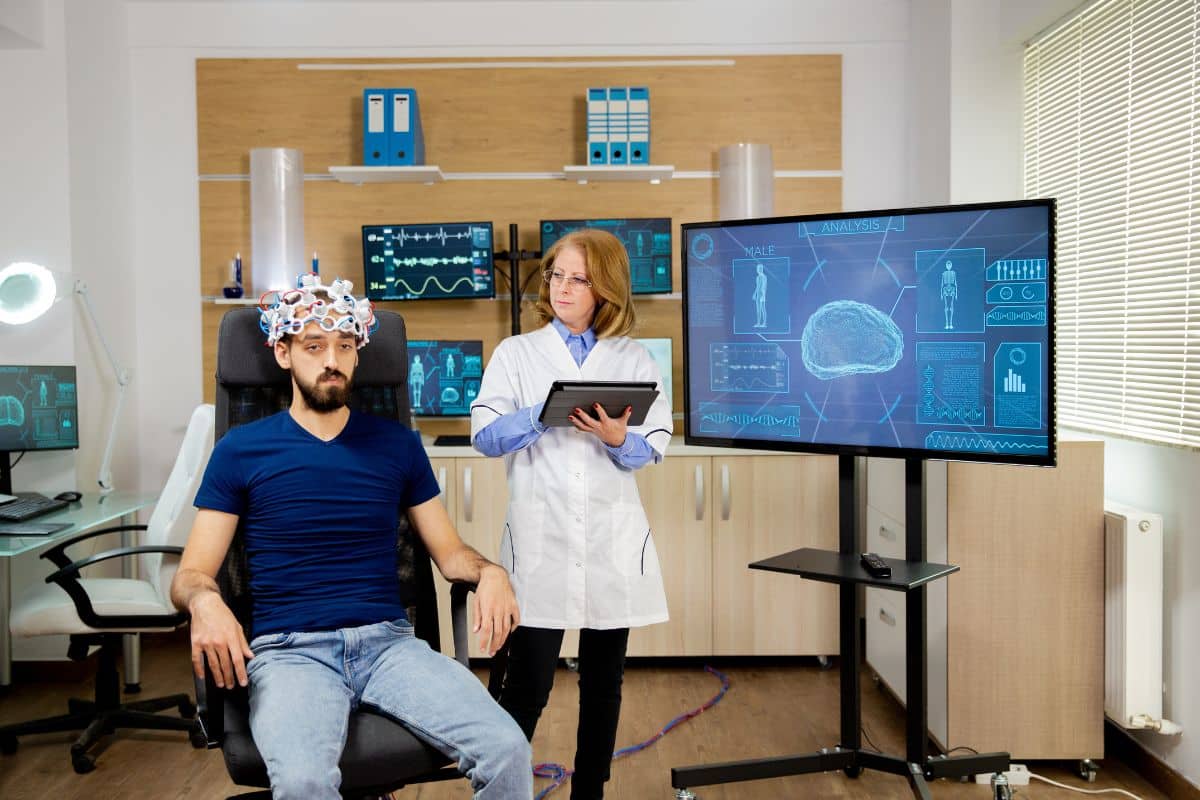
MeRT is a highly personalized treatment, designed to meet the unique needs of each patient. It involves using magnetic pulses to stimulate specific brain areas involved in mood regulation and pain perception. These pulses help to “retrain” the brain to respond more effectively to stress and pain.
Here’s what you can expect during a MeRT session:
- Personalized Assessment: We begin with a thorough evaluation of your symptoms, both physical and emotional, to tailor the treatment to your needs.
- Non-Invasive Treatment: Using a magnetic device, we apply gentle, targeted pulses to the brain. The procedure is completely painless and has no known side effects.
- Continuous Monitoring: During your sessions, we closely monitor your progress to ensure the treatment is working effectively. Each session lasts about 30-45 minutes, and most patients begin to feel relief after just a few sessions.
- Long-Term Benefits: Unlike medications that mask symptoms temporarily, MeRT offers long-term relief by addressing the root cause of depression and chronic pain, allowing you to live a fuller, more vibrant life.
Why MeRT is Different
MeRT is not just another therapy—it’s a breakthrough in mental health and pain management. Traditional treatments often involve trial and error with medications, which can have unwanted side effects and may not address the underlying issue. With MeRT, we can provide a targeted, non-invasive solution that works with the brain’s natural healing processes, helping patients regain control of their lives.
If you’re struggling with both chronic pain and depression, you don’t have to face it alone. Redefined Mind offers innovative treatments like MeRT to help you break free from the cycle of pain and emotional distress. Reach out today to learn more about how we can help you regain your health, happiness, and quality of life.
People Also Ask
1. Can chronic pain cause depression?
Yes, chronic pain can lead to depression. The constant physical discomfort can cause emotional strain, leading to feelings of frustration, sadness, and hopelessness.
2. Can depression cause physical pain?
Yes, depression can manifest as physical symptoms like muscle tension, headaches, and fatigue, which can contribute to the experience of chronic pain.
3. What is MeRT?
MeRT (Magnetic e-Resonance Therapy) is a non-invasive treatment that uses magnetic stimulation to improve brain function, offering relief from both chronic pain and depression.
4. How long does MeRT take to show results?
Many patients begin to notice improvements after a few sessions, with continued progress over time. It varies by individual, but MeRT is known for its lasting results.
5. Is MeRT safe?
Yes, MeRT is a safe, non-invasive treatment with no known side effects. It is tailored to each patient’s unique needs.

We're here to listen, answer your questions, and provide the support you need.
Give us a call or Contact us through the form to discover how we can tailor our expertise to your unique needs.